Pool Maintenance for Florida Homeowners
Year-round pool care guides built for Central Florida's climate — from weekly chemical routines to seasonal deep cleans and DIY tips.
Maintaining a pool in Central Florida is different from anywhere else in the country. High temperatures year-round, intense UV, frequent rain that dilutes chemicals, and subtropical algae pressure mean that standard maintenance schedules often aren't enough. These guides are written for the specific conditions of Orange, Seminole, Osceola, Lake, and Polk counties.
Whether you're a new pool owner doing it yourself or deciding between DIY and a weekly service, these guides walk you through what actually works — and what to skip.
Maintenance Guides
All guides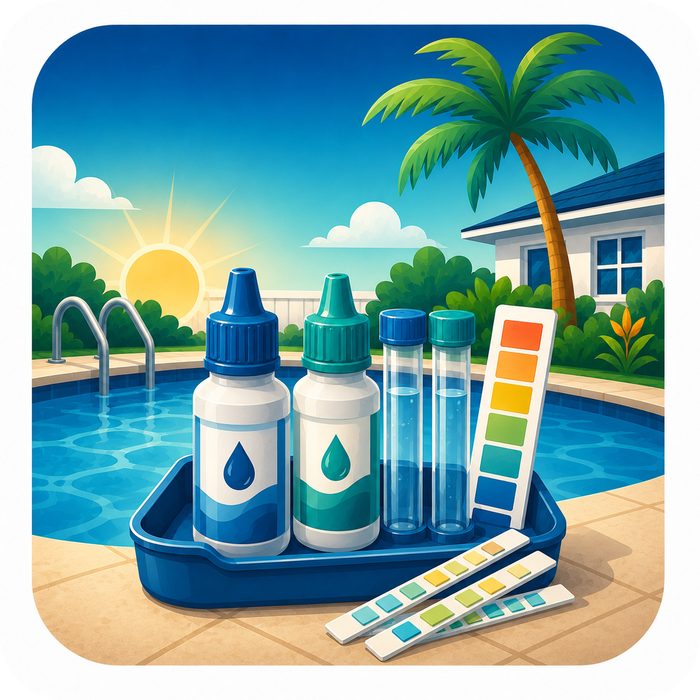 Maintenance
Which test kits work reliably in Florida's heat and humidity, and how to read them accurately for your pool's chemistry.
Read guide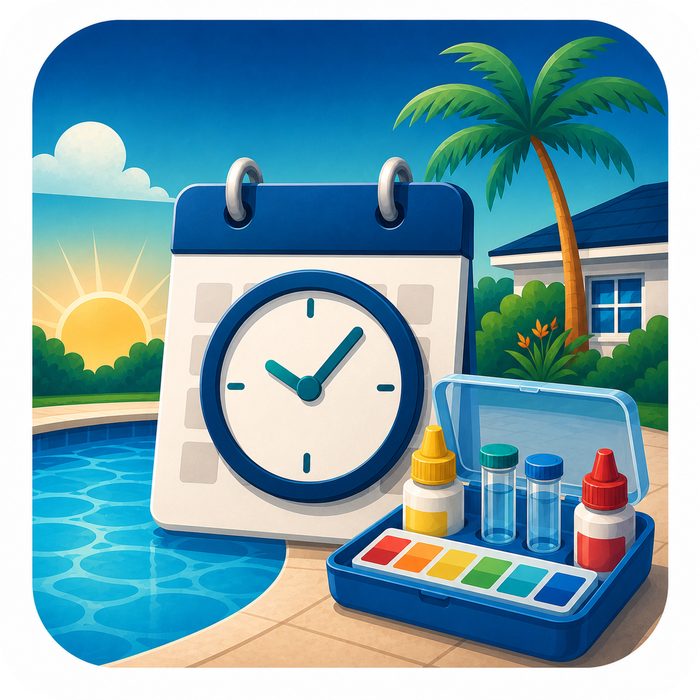 Maintenance
How often to test chlorine, pH, and alkalinity through Florida's swim season — including after summer downpours throw your water off.
Read guide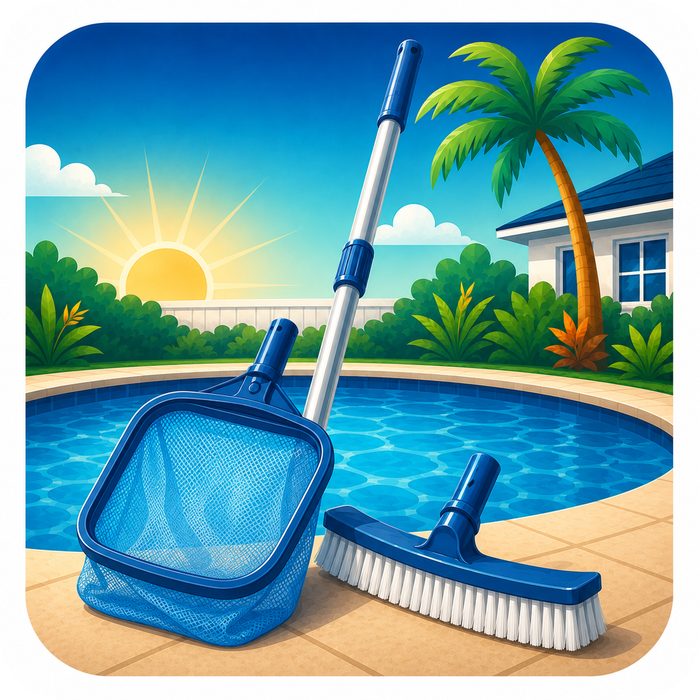 Maintenance
The short list of tools that earn their keep in a Florida backyard — and the gadgets you can skip.
Read guide Maintenance
A screen enclosure helps a lot, but it's not a sealed room — what pollen, dust, and rain still get through.
Read guideBest Pool Test Kits for Florida Homeowners
Accurate water testing is the foundation of good pool care — especially in Florida's heat where chemical levels shift quickly. This guide covers the test kit types that work reliably for home use and what to look for when testing in Florida conditions.
Read the guideFlorida Maintenance Realities
- No seasonal close — Florida pools run and need care 12 months a year
- Summer rains dilute chemicals — test after every significant rainfall
- Algae pressure is higher — weekly brushing matters more than up north
- Cyanuric acid builds up over time — partial drains may be needed yearly
Florida's rainy season (June–September) is the hardest stretch for pool chemistry. Heavy afternoon rains add phosphates, dilute chlorine, and raise pH. Plan to test your water more frequently during this period — at minimum twice a week — and keep stabilizer levels in check to avoid over-chlorinating.